
Becoming an Indigenous Midwife: Nancy Peters on her journey, community and connection
July 22, 2026
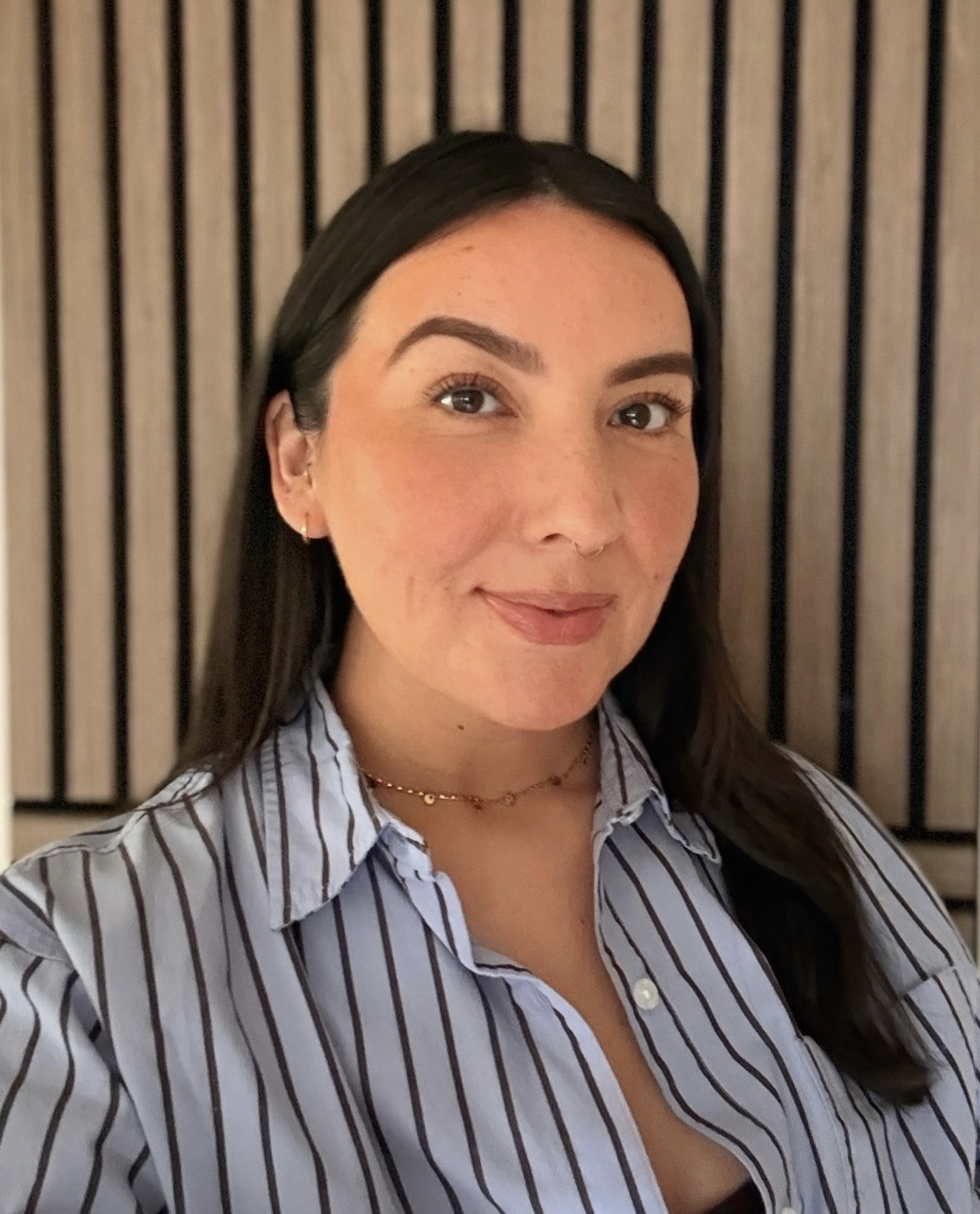
Nancy Peters is an Anishinaabe apprentice midwife, currently in her fourth and final apprenticeship year at the Six Nations Maternal and Child Centre (Tsi Non:we Ionnakeratstha/Ona:grahsta) on Six Nations of the Grand River territory.
With graduation approaching, Nancy is preparing to step into her role as an Indigenous Midwife while exploring ways to eventually bring midwifery care back to her home community. We spoke with Nancy about her journey, the challenges she has navigated, and what she would say to others considering this work.
Can you share a bit about yourself and your midwifery journey?
I am Anishinaabe from Bkejwanong Unceded Territory (Walpole Island First Nation). It’s the community where I was raised and the place I will always call home. I also have strong family and community ties to Kettle and Stony Point First Nation through my father.
As I began exploring the path to becoming an Indigenous midwife, I learned that my great-great-grandmother had been the community midwife in Kettle and Stony Point First Nation. She was a trusted helper who cared for families throughout pregnancy, birth, and the postpartum period. Whenever someone in the community needed support to bring a baby into the world or care for themselves afterward, she was there.
Learning about my great-great grandmother’s role deepened my understanding of where I come from and strengthened my connection to this work. I carry her story with me every day, and it reminds me that Indigenous midwifery is not only a profession—it is a continuation of the care, knowledge, and responsibility that has been passed down through our families and communities for generations.
I am currently completing my fourth and final year of apprenticeship at Six Nations of the Grand River Territory, and graduation feels just within reach.
I began this journey in September 2022. As a mother of two, I didn't come to the community on my own. My children came with me, and they have been part of this journey every step of the way. When I first arrived, I had very few supports in place and I was navigating this journey with very limited resources, including lack of housing and financial barriers. Being away from home meant I had to build a community around myself, creating the support network my children and I needed to make it through these years.
One of my greatest sources of support has been my partner. He has stood beside me throughout this journey, helping care for our family, encouraging me through the challenges, and making it possible for me to continue pursuing this path and to show up for the families I support. Alongside the relationships I built within the community, his unwavering support has been an important part of my success.
Looking back, I realize this journey was never one I walked alone. It has been made possible through the strength of community, the support of my family, and the people who believed in me every step of the way.
What first drew you to midwifery? Was there a moment where it clicked for you?
My first pregnancy is what first drew me to midwifery. I was a young parent, finishing post-secondary school and only a few months away from having my first baby. When I returned home to my community, I didn't have much time to think about my options for care. At the time, I didn't even realize there were options.
Most of the people in my family had obstetricians and gave birth in the hospital, so that was simply what I knew. I had never been introduced to midwifery. I didn't know there were Indigenous midwives, or that there were Indigenous-led midwifery practices so close to my home community. Learning later that Six Nations of the Grand River—just two and a half hours from Bkejwanong—had an Indigenous midwifery practice was both inspiring and a little surprising. I remember thinking, How did I not know this?
That realization stayed with me. It made me wonder how many other families, like mine, had never been told that they had choices. That for a low-risk pregnancy they could choose midwifery care, and that some families may even have the option of giving birth outside of the hospital if that felt right for them.
I don't believe that lack of awareness is any one person's fault. Rather, it reflects the collective impacts of colonization on Indigenous communities and on our systems of care. For generations, Indigenous midwives cared for our families and communities, providing reproductive, pregnancy, birth, and postpartum care grounded in our own knowledge systems and relationships. Those practices were disrupted, and many of our families grew up without knowing that Indigenous midwifery was, and still is, an option.
For me, becoming an Indigenous midwife is about helping to restore that awareness. I want families to know they have choices, to feel empowered in those choices, and to reconnect with a model of care that has always inherently belonged in our communities.
After I had my first baby, I remember thinking, “This is something that's needed.” Families deserve to know they have choices, and they deserve access to culturally safe, relationship-based care within their own communities whenever possible. I also know I'm not the only one who has felt that calling. Across many Indigenous communities, people are stepping forward to reclaim and revitalize Indigenous midwifery—not because we're creating something new, but because we're carrying forward a role that has always belonged to our people.
What is the education pathway you chose, and what does that look like?
When I was deciding which educational pathway to pursue, there weren't many people sharing their experiences with community-based apprenticeship programs. I talked with students in Midwifery Education Programs (MEPs) to learn about their journeys, but I still had to ask myself an important question: What kind of learning environment feels right for me? I wanted an education that reflected my values and the way I learn best.
I had the opportunity to travel to Mexico and learn about traditional Mexican midwifery. Being immersed in a community where knowledge was shared through relationships, mentorship, traditional medicines, ceremonies and lived experience affirmed what I had been searching for. That experience reinforced my belief that community-based learning was the path I wanted to follow.
Throughout my apprenticeship in Six Nations, I've had the privilege of learning within a strong Haudenosaunee community. As an Anishinaabe, I recognize that many of the teachings, ceremonies, and traditions I am learning are distinct from my own Nation's traditions. I hold those teachings with deep respect and gratitude.
Being welcomed into this program as an apprentice has been an incredible honour. Although I am not from Six Nations and I am not Haudenosaunee, I have been trusted to learn alongside Indigenous Midwives, families, and knowledge keepers. That trust is something I do not take for granted, and it has profoundly shaped both the midwife I am becoming and the person I continue to grow into.
What have you learned about becoming a midwife that you didn't know when you first started?
One of the biggest things I've learned is that becoming a midwife is about so much more than developing clinical skills. Those skills are essential—they help us provide safe, evidence-informed care—but they're only one part of what it means to be an Indigenous Midwife.
When people think about midwifery, they often focus on the clinical aspects of the profession. What I didn't fully appreciate before I began this journey was that clinical knowledge isn't what creates meaningful relationships with the families you care for. Relationship comes first.
The foundation of this work is connection—taking the time to know people, to understand their stories, and to recognize that every family is unique. Every Nation, every community, and every family carries its own cultural teachings, language, traditions, beliefs, and ways of welcoming new life. There is no single Indigenous experience or one approach that fits everyone.
I've learned that providing good care means being willing to listen, to learn, and to meet people where they are. It's about building trust and honouring each family's values alongside the clinical care we provide. Those relational and cultural aspects of midwifery are just as important as clinical skills, yet I think they're often overlooked. For me, they've become some of the most meaningful lessons of this journey.
What's next for you?
Right now, just that I graduate, and then I continue where I'm comfortable. I would like to stay with my current practice because I have the support to get more comfortable in my role. It's usually a good recommendation to have a year of practise after you graduate so that you can adjust and you don't feel the weight of having to start a practice on your own.
I will also be slowly approaching the work of bringing Indigenous Midwifery back home by building partnerships with organizations and neighbouring communities. Most importantl is asking the communities, “Is this needed? If so, in what ways can I help?” I know this is long-term work, and I’m okay with moving at a pace that is sustainable for me. I want to be gentle with my nervous system and recognize that meaningful change does take time. Building relationships, listening to community, and creating something that truly reflects the needs of the people can’t be rushed. My hope is to walk alongside my community, allowing them to guide the direction of this work, so that whatever grows is rooted in trust, respect, and honours the needs of the families served.
What would you say to someone who is thinking about becoming an Indigenous midwife?
I would be incredibly encouraging. I often tell people that we need more Indigenous midwives, but we also need more Indigenous people involved in every aspect of birth work.
I encourage people to explore all of the ways they can support families—whether that's learning about lactation, sexual and reproductive health, postpartum care, childbirth education, or other areas of community care. There is a place for everyone, and every helper has an important role in supporting parents, babies, and families.
If, after exploring those paths, someone still feels called to become an Indigenous midwife, I would wholeheartedly encourage them to pursue it. The next step is about finding the educational pathway that aligns with who you are as a learner. Some people thrive in a community-based apprenticeship, while others may find that a Midwifery Education Program (MEP) is the best fit.
There isn't one right way. The right pathway is the one that allows you to grow into the kind of Indigenous midwife you hope to become. What matters most is following the path that aligns with your values, your way of learning, and your commitment to serving families and communities.
Do you have anything else you would like to say about Indigenous Midwifery?
The biggest thing I would add is the importance of making connections. Relationships are at the heart of Indigenous Midwifery, and I think they begin long before someone starts their education.
In our communities, we often say that if you don't know someone, you probably know someone who does. Don't be afraid to reach out, ask questions, and connect with people who are already doing this work. Whether you're wondering what the journey is like, how someone chose their educational pathway, what challenges they faced, or what helped them succeed, those conversations are invaluable.
Indigenous Midwifery is built on relationships, mentorship, and learning from one another. None of us get here entirely on our own. We learn because others are willing to share their knowledge, experiences, encouragement and gifts.
I'm always happy to connect with people who are interested in Indigenous Midwifery and share my own experiences if it can help someone on their journey. I truly believe that every conversation, every connection, and every person willing to share their story helps strengthen the future of Indigenous Midwifery in our communities.