
Regulation & Education
Regulation
The profession of midwifery is regulated by the College of Midwives of Ontario (CMO), in accordance with the Regulated Health Professions Act (RHPA). The CMO protects childbearing clients and infants by ensuring that midwives provide competent and ethical care. The CMO is responsible for registering midwives, ensuring the quality of midwifery care, setting standards and investigating and responding to any issues related to midwifery care. Midwives who are registered with the CMO are permitted to use the protected title of Registered Midwife, or RM.
In Ontario, Indigenous midwives may practise within the exemption clause in midwifery legislation, which formally recognizes Indigenous communities’ authority to identify and support their own midwives. Midwives working within this exemption clause provide traditional and clinical midwifery care, with their scope of practice grounded in community needs and governance. Indigenous midwives (IMs) working within the exemption clause are recognized alongside registered midwives as primary care providers and are funded to provide clinical care. IMs working within the exemption are not registered with nor regulated by the CMO. Instead, IMs are governed by their communities, in alignment with Indigenous self-determination.
Education
Considering a career as a midwife in Ontario? There are several pathways to get there — and each leads to a profession that is both challenging and deeply rewarding. Midwives in Ontario are trained as experts in uncomplicated birth and emergency procedures. Midwifery education blends classroom learning in health, social and biological sciences with extensive clinical placements, supervised by experienced preceptors. Along the way, midwives attend births as secondary and primary providers and offer prenatal and postpartum care in hospitals, clinics and community settings.
Below are the existing educational pathways to becoming a midwife in Ontario.
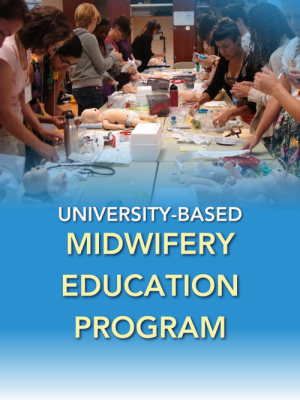 |
A four-year university-based program that awards graduates a Bachelor of Health Sciences (BHSc) degree in midwifery. Offered at: |
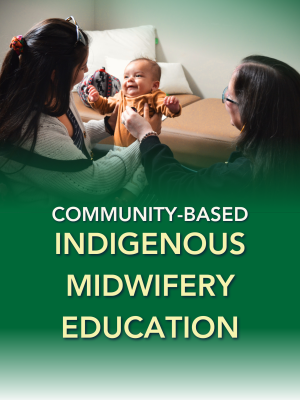 |
Community-based, Indigenous-led midwifery education programs. Currently offered at:
For more information, visit the Indigenous midwifery page, or contact the Indigenous Midwifery team at the AOM. |
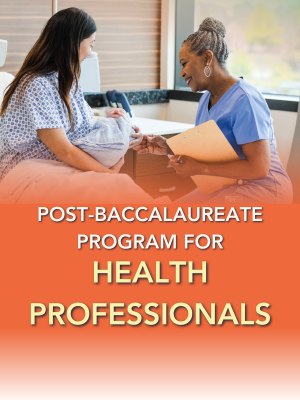 |
An accelerated stream of the Midwifery Education Program (MEP) for candidates with a health professional baccalaureate degree, such as a Bachelor of Science in Nursing, as well as significant labour and delivery care experience. Offered at:
|
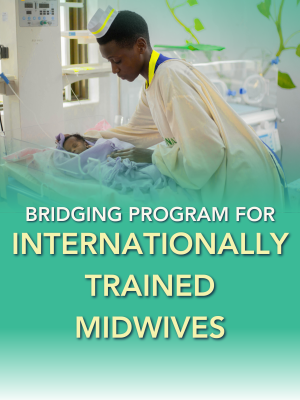 |
A six or nine month program tailored to individual needs, designed to prepare internationally educated midwives for registration and practice in Canada. Offered at: |